
The shelf with no occasion on it
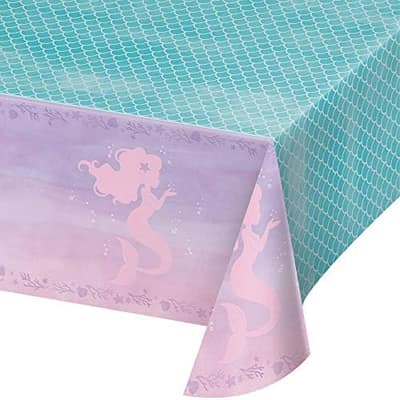
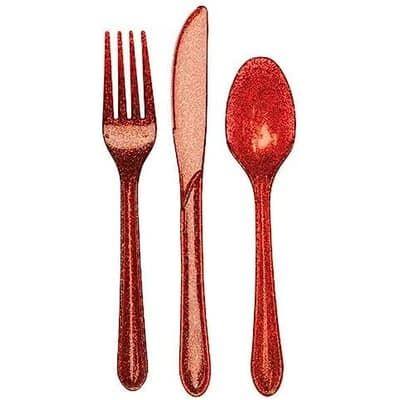
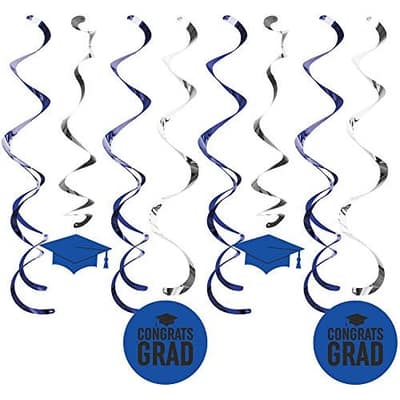
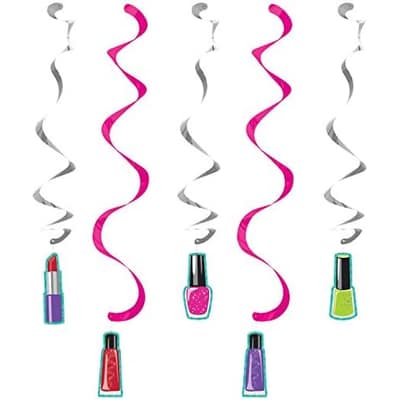
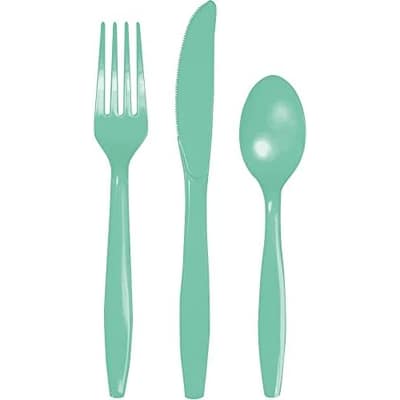
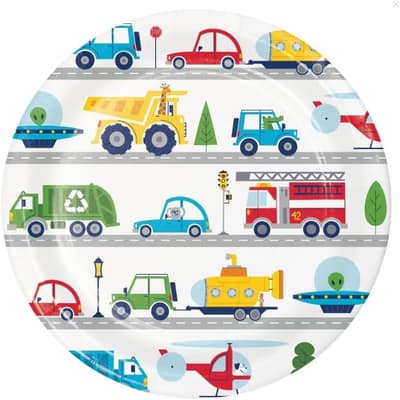
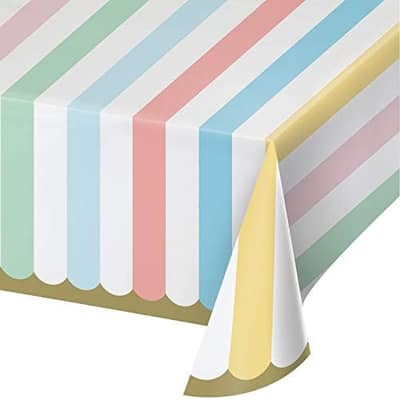
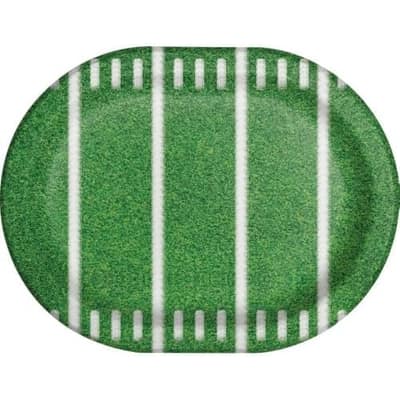
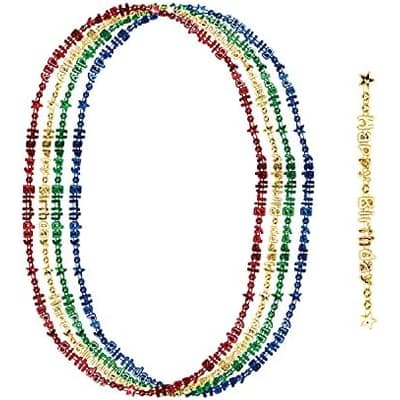
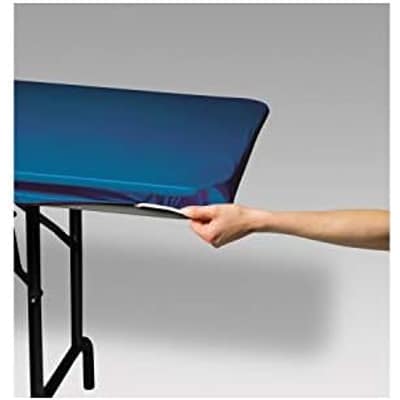
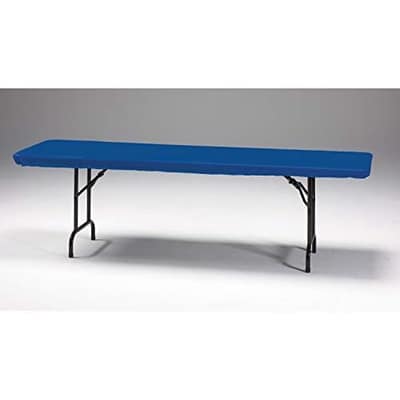
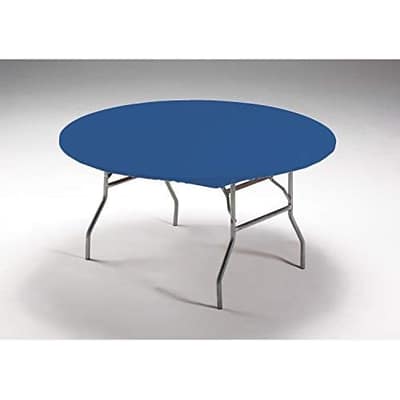
Six table covers, four hanging decorations, three invitation packs, two cutlery sets, two dinner plate runs and a scattering of napkins, cups and small plates. Nothing here is printed for a date, which is exactly why it lasts: the pieces that survive in a cupboard are the ones that do not announce which December they were bought for.
Lunch napkins do more than lunch
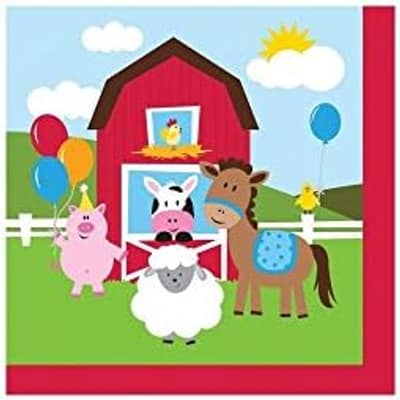
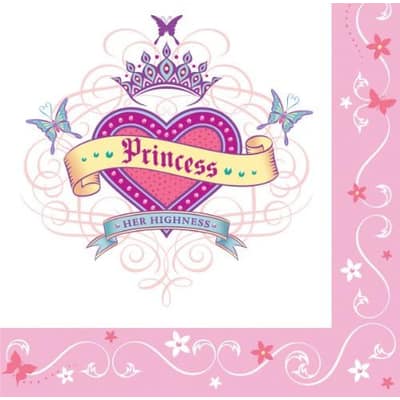
A lunch napkin — roughly six and a half inches folded, two-ply — is the most generally useful piece of paper in this catalog. Big enough for a sandwich, small enough for a coffee, and it is what most people mean when they say napkin. Keeping a stack in a drawer removes a weekly errand, and the plain stock goes with any table it lands on.
Small counts and single pieces
Pack counts here are the smallest in the catalog, from single decorations to packs of a dozen. That is the trade on an everyday shelf: you are buying what fits in a cupboard rather than what covers a guest list. Read the count line on each card, because a single cover and a pack of twelve napkins can sit at the same place in a basket and are not the same purchase.
Invitations and the paper nobody plans for
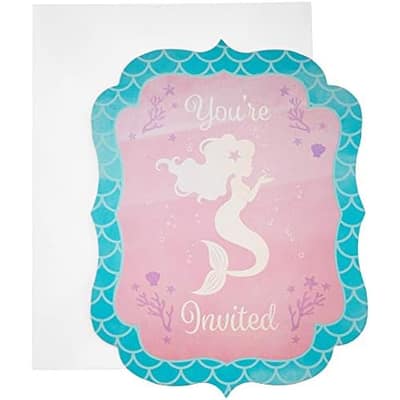
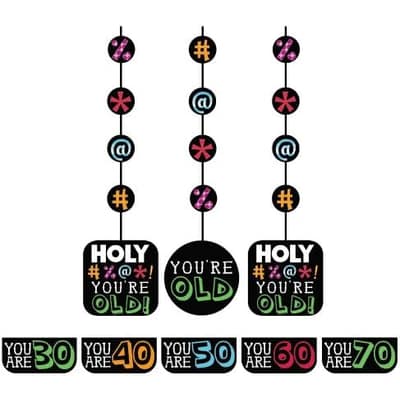
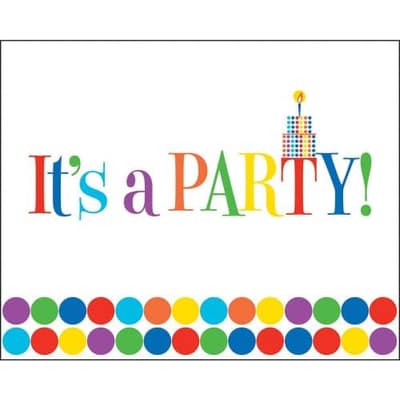
Three invitation packs sit here rather than on a themed shelf, because an undated invitation works for a dinner, a shower or a neighborhood party alike. The same logic puts the plain hanging decorations here: pieces that carry a room without deciding what the room is for.
Why there are so few ratings
Plain everyday goods sell steadily without generating reviews — nobody writes about a napkin that worked. What matters on this shelf is the count, the ply and the dimensions, all of which are printed on the cards.