



Two labels, one shelf
Creative Converting and Trendware are two names on the same production. On the shelf that difference is invisible: the napkins are the same weight, the plates come off the same dies, and a plain lunch napkin bought under one name sits against a lunch napkin bought under the other without a seam. Which name ends up on the pack depends on the run, not on the product. Keeping both in one catalog is the whole point of this site — searching for one and missing the other is how people end up with two shades of the same blue on one table.
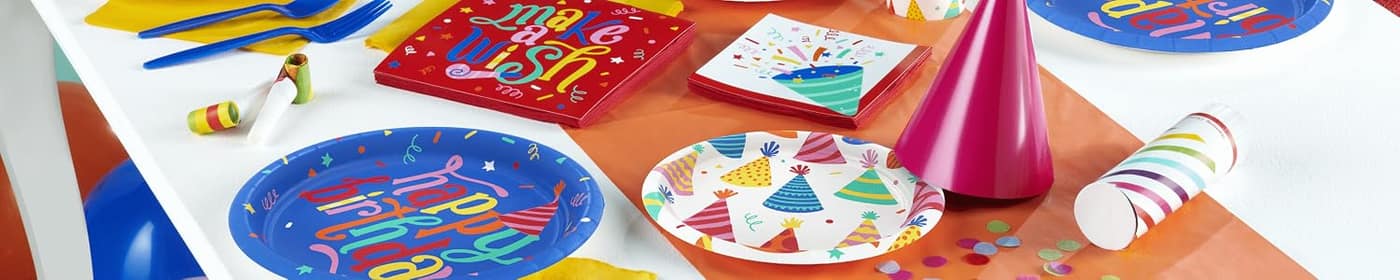
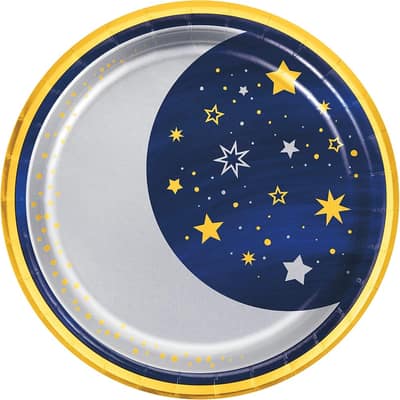
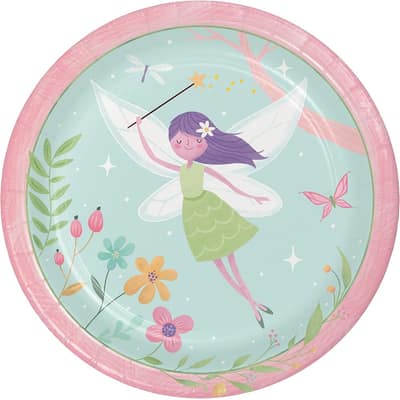
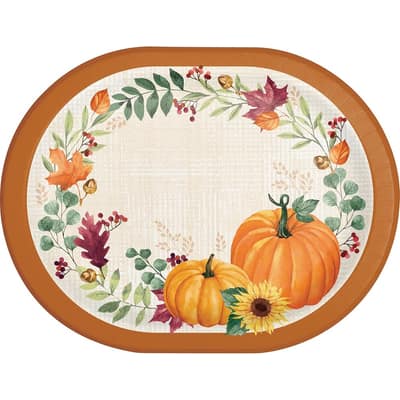
Everything here is disposable paper and plastic tableware for parties: beverage and lunch napkins, dessert and dinner plates, cups, table covers, cutlery, banners and the odd centerpiece. There are 234 pieces in the catalog, sorted onto 10 shelves, priced from $4.98 to $34.90. The cheapest items are single packs of plain napkins; the dearest are kits that arrive as a full table for a dozen guests.
How the shelves are cut
Six shelves are occasions — the two birthdays, baby shower, wedding, Thanksgiving and Christmas. Two are licensed: 52 pieces carry NFL club marks and a second shelf carries university marks. One shelf is plain color, 63 pieces of it, and that is the shelf most people actually need: solid napkins and covers are what you buy when the theme is already handled by the cake. The last shelf is everyday — the pieces with no occasion attached at all.
A piece can sit on only one shelf but can carry several tags, and the tags are where color, format and theme cross. If you know you want lunch napkins in navy, the tag is faster than the shelf.
What the numbers on a card mean
The price under every picture is the price the retail listing showed on September 13, 2026. It is a single number with no history behind it: paper goods move in and out of promotion constantly, and a price copied a week ago is a guess. Treat what you see here as an order of magnitude and the listing as the truth.
Pack size comes from the pack, not from the retailer’s unit field — that field means one thing for napkins and something else for table covers, and mixing the two produces catalogs where a tablecloth appears to contain sixty tablecloths. 214 of the 234 pieces state a count on the pack; the rest are single articles. Ratings are printed only with the number of people behind them: 88 pieces here have been rated at all, and a flat five out of four voters is not information.
Buying paper for a table
The arithmetic that catches people is not the plate count, it is the napkin count. Plates get used once. Napkins get used three times a head at a sit-down meal and closer to five at anything with drinks and finger food, because a napkin that has been put down is a napkin that has been abandoned. Buy plates to the head count and napkins to three or four times it, and buy the beverage size rather than the lunch size if you are only going to buy one — a small napkin at a big meal is annoying, a big napkin at a drinks party is merely generous.
Table covers are the other trap. A plastic cover sold as a table cover is cut for a folding trestle; on a round domestic table it hangs badly on two sides. Two covers overlapped along the middle look deliberate and cost less than one oversized cloth.